
For decades, every orphaned elephant died within a matter of weeks. Then a woman with no scientific training decided that wasn’t good enough.
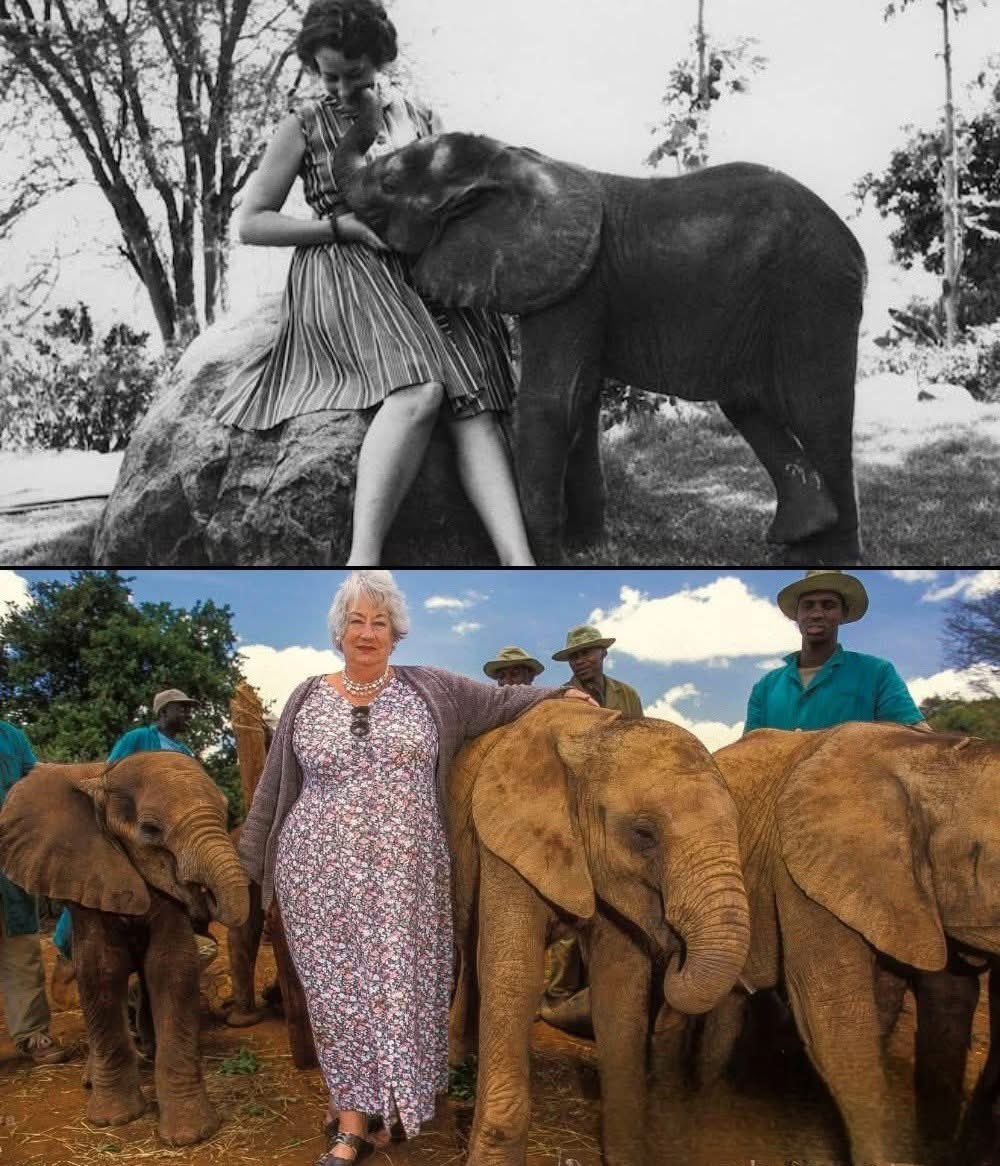
Daphne Sheldrick received baby elephants at her center in Tsavo National Park, Kenya. They arrived after poachers had killed their
时政
(
twitter.com
)
For decades, every orphaned elephant died within a matter of weeks. Then a woman with no scientific training decided that wasn’t good enough.
Daphne Sheldrick received baby elephants at her center in Tsavo National Park, Kenya. They arrived after poachers had killed their mothers. They were only a few weeks old, confused, and still dependent on milk.
The pattern was always the same.
They were fed cow’s milk, the only alternative available. At first, they drank it. Then their bodies began to reject it. Diarrhea, dehydration, weakness. Within days, they died.
That was the case everywhere.
Experts considered it inevitable. Elephant milk had a composition too specific to be replicated. Without the mother, there was no solution.
Daphne had no formal academic training in biology or veterinary medicine. She had learned by working in the field, alongside animals. And she decided not to accept that conclusion.
She began to experiment.
She adjusted the milk formulas. Added cream. Used goat’s milk. Introduced different oils, one at a time. She recorded everything in a notebook. Every attempt was tested on a real calf.
Many died.
And from that point on, her work changed.
Every mistake became data. Every loss became a clue about what did not work. She continued for years. Then for a decade. Then two.
In the meantime, she identified several key factors.
Coconut oil worked better than other fats. Mineral proportions had to be precise. Stress was also a decisive factor: the calves needed constant contact, not just nourishment.
The keepers began sleeping beside them. Caring for them day and night. Partly replacing the presence of the mother.
Results came slowly.
First they survived for a few weeks. Then months. Then years.
In the late 1970s, after the death of her husband, she founded the David Sheldrick Wildlife Trust. She gathered everything she had learned and turned it into a method.
Feeding, medical care, daily management. Everything was organized into clear protocols.
The calves began to grow.
Some were reintroduced into the wild. Then they integrated into herds. Then they had calves of their own.
What had seemed impossible became achievable.
When Daphne Sheldrick died in 2018, more than 230 orphaned elephants had survived thanks to the system she had developed.
She had no academic titles.
She had started with a problem everyone believed had no solution—and kept working on it for nearly thirty years.
点击图片查看原图

