
Why does China have the most diabetics in the world?
One popular bowl of beef noodles tells part of the story.A typical street bowl of beef noodles (from south to north): just 4-5 thin slices of beef + about 100g of noodles in MSG broth.
Protein is low, but carbs often hit
时政
(
twitter.com
)
Why does China have the most diabetics in the world?
One popular bowl of beef noodles tells part of the story.A typical street bowl of beef noodles (from south to north): just 4-5 thin slices of beef + about 100g of noodles in MSG broth.
Protein is low, but carbs often hit 50-60g+ per bowl — mostly refined wheat noodles that digest quickly.
A common Jiangsu-Zhejiang-Shanghai breakfast: white rice porridge + pickled vegetables + youtiao (fried dough sticks).White rice porridge (congee): high glycemic index, spikes blood sugar fast, doesn't keep you full for long.
Pickled veggies: high sodium and nitrites.
Youtiao: deep-fried dough — high in refined carbs and fats (often 40g+ carbs per serving).
Eating like this occasionally is no big deal. Doing it day after day, year after year, adds up.Broader reality of many Chinese meals:
Staples are dominated by white rice, noodles, steamed buns, and oil-heavy stir-fries. Hot pot, barbecue, and beer culture often mean even more refined carbs + excess calories.Asian populations (including Chinese) tend to be more sensitive to refined carbs than Western populations — even at lower body weights, post-meal blood sugar spikes can be sharper, raising diabetes risk.The bigger issue:
When people point this out, the discussion often gets shut down immediately. Criticize the food = "worshipping the West" or "insulting our ancestors." Honest talk about health gets treated as betrayal.
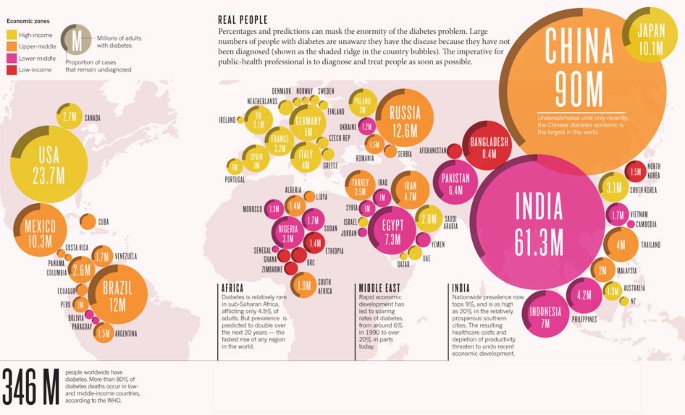
Result? China now has about 148 million adults with diabetes (2024 data) — the highest total number anywhere in the world.
That's not just population size; dietary patterns, rapid urbanization, and less physical activity all play major roles.
It's not that all Chinese food is bad — vegetables, tofu, fish, and tea have their strengths.
The problem is the heavy daily reliance on refined carbs and low protein/fiber balance in everyday eating.
We can love our food culture and still want it to stop making so many people sick. Facing the data honestly is the first step.
点击图片查看原图

